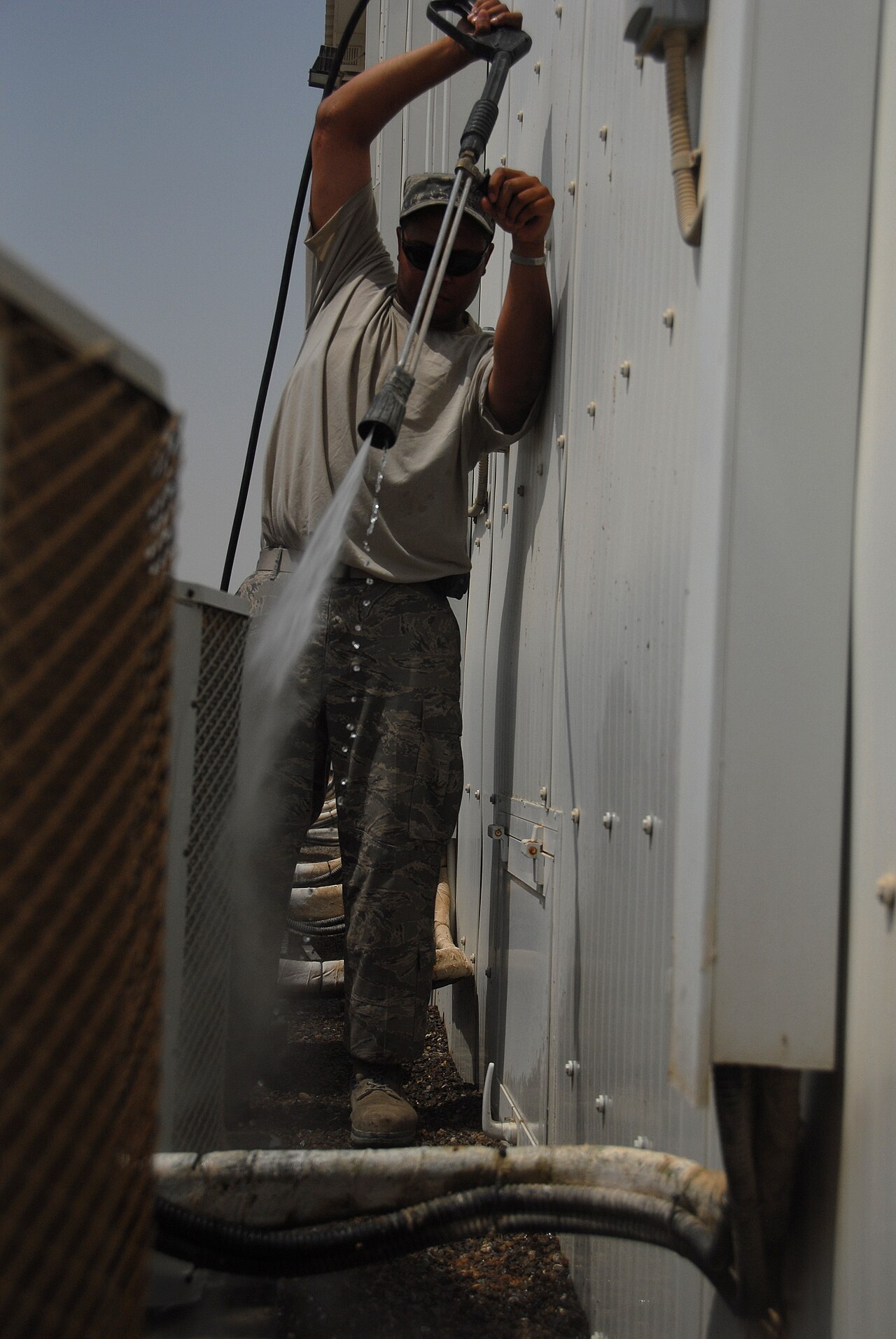
On a hot October afternoon in Miami‑Dade, Marcus noticed his air conditioner running longer than usual to keep the living room cool. The power bill had crept up, and the air coming out of the vents didn't feel as cold as it used to. He decided to clean the evaporator coils himself, hoping to save a service call.
Like many homeowners, he figured a quick spray‑and‑wipe would do the trick. He grabbed the garden hose and a spray bottle of household cleaner and headed outside to the condenser unit. It's a routine that looks simple, but it's easy to go off track — and one wrong move can cost more than the service call would have.
The biggest DIY coil-cleaning mistake is using too much water pressure or the wrong cleaner. High pressure bends the thin aluminum fins, harsh chemicals strip the coil's protective coating, and skipped steps leave the drain line clogged. A rushed cleaning can leave your AC worse off than before you started.
What can go wrong when you skip a step?
When you skip the initial inspection, you might miss a bent fin or a clogged drain. The air conditioner relies on clean, straight fins and an open drain to function. Think of the fins like the teeth of a comb — air has to slip between every tooth to carry heat away. Bend a section flat and air can't get through, so heat stays trapped in the coil. If a fin is bent, water can pool inside the coil, leading to rust and musty buildup. A clogged drain line means condensate backs up, soaking the evaporator and creating the damp conditions where odors start.
Why is using the wrong cleaner damaging the coils?
Many homeowners think any garden solution will clean the coils. Using a high‑pressure hose or a spray with too much force can bend or break the thin aluminum fins that make up the evaporator. The protective coating that keeps the coil from rusting is also vulnerable to harsh chemicals. If you spray a soap solution that’s too strong, it can strip the seal and leave the coil exposed to moisture.
In addition, some people use the same cleaner they use for their lawn. These products often contain oils that cling to the coil, creating a residue that attracts dust and grime. The residue can turn into a thick film that reduces the coil’s ability to transfer heat, making the unit work harder and consume more energy.
How do you avoid damaging the fan blades?
The fan blades sit right next to the coil. If you’re using a pressure washer, you must keep the nozzle at least 12 inches away from the fan. A direct blast can bend the blades or loosen the mounting screws. If the fan rotates at the wrong speed, the heat transfer rate drops, and the unit may run longer than needed.
When you clean, use a brush with soft bristles to gently remove debris from the fan. Avoid twisting the blades; just rotate them slowly to lift any buildup. If you notice a blade that feels loose, stop and tighten the mounting screw. A loose blade can wobble and cause vibration, which may lead to premature failure.
What happens if you ignore the drain line?
Most people forget that the condensate drain line is as important as the coil itself. As the coil cools warm air, condensate forms and should flow straight into the drain. If the line is clogged, water backs up into the evaporator, and the system can freeze on a cold night or create a moldy environment in summer. A simple way to check is to pour a cup of water down the drain. If it doesn’t flow freely, you’ll need to clear the blockage with a wet‑dry vacuum or a plumber’s snake.
Why does rushing lead to a poor job?
Cleaning coils takes time. Rushing through the process means you’re more likely to miss spots. A quick spray might leave a thin film on the fins, which traps dust. Dust buildup reduces airflow and forces the compressor to work harder, shortening its lifespan. Patience is key: take a few minutes to rinse each section thoroughly and let it dry before moving on.
The video from Guy of All Trades, “How to clean your AC Evaporator coil for less than $20,” walks through cleaning an evaporator coil hands-on — the gentle approach this article recommends: soft brushing, careful rinsing, and keeping the fins straight.
When to call us
If you’ve had a rough time cleaning your AC coils, or you’re unsure about the best approach, South Florida AC Sanitation can help. We’re ready to give your unit a thorough cleaning and ensure it’s running at peak efficiency. Call us at (786) 949-9255 for service in Miami‑Dade County. We’re open Monday‑Saturday, 8 AM‑8 PM, and ready to keep your home cool and comfortable.
← Back to Blog