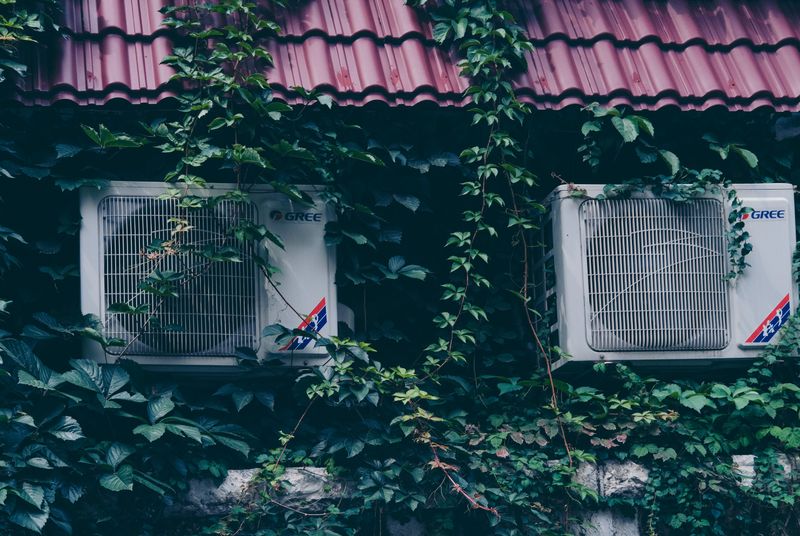
How a Dirty Condenser Hurts Efficiency
The outdoor condenser's job is to dump heat. When dust, pollen, grass clippings, and salt-laden Miami air cake onto the coil fins, they insulate the surface and block airflow. The heat can't escape, so the compressor runs longer and draws more power to move the same amount of heat.
What Savings To Expect (Realistically)
Manufacturers and marketing often claim huge percentages. Real-world field experience says a seriously fouled condenser can raise energy use meaningfully, while regular maintenance keeps a system from degrading in the first place. For most Miami homes, the practical benefit of cleaning is avoiding a system that labors and short-cycles — which protects your comfort and equipment — not a dramatic electric-bill drop.
Signs Your Condenser Needs Cleaning
- Visible grime, dust, or vegetation clogging the fins.
- The unit runs longer between cycles than it used to.
- Copper fins look white, rusty, or corroded (a salt-air issue near the coast).
- Vents blow lukewarm air when the thermostat demands cold.
DIY vs. Professional Cleaning
You can clear loose debris and hose the fins gently, but be careful — bending the fins or forcing water into the electrical compartment causes bigger problems. Professional coil cleaning uses the right detergents and low-pressure techniques to break down grime without damaging the aluminum or bending fins.
- Package A (essential cleaning): $89.99
- Package B (deep clean + anti-microbial): $189.99
- Fair-Play economy service: $69.99
- Freon top-up: $15.99 per can
We'll tell you honestly whether cleaning is worth it for your system before we charge anything.
Bottom Line
Cleaning a genuinely dirty condenser saves energy, extends equipment life, and improves cooling. But it isn't a one-and-done bill fix. Pair it with regular filter changes and honest refrigerant checks, and you'll get real, sustainable savings.
← Back to Blog