It was a humid Saturday afternoon in Coral Gables, the kind of heat that makes the air conditioner feel like a blessing. I heard the hiss of the unit kicking on and the faint scent of old dust drifting through the hallway. My neighbor, Mrs. Ramirez, whispered that her kids were getting headaches from the stale air. A quick look at the duct joints and I saw a layer of gray grime that looked like it had been there for months.
The honest answer is that most homes in Miami‑Dade should have their HVAC sanitized every three to six months, depending on how often you use the system and whether you have pets, children, or a history of mold. If you notice a musty smell or a spike in humidity, lean toward the shorter interval.
Why do I need to sanitize my HVAC?
Air ducts are like the veins of your house. They carry the clean air you breathe and, if clogged, can become a breeding ground for mold, bacteria, and dust mites. In South Florida, the high humidity and frequent rainstorms push moisture into the ducts, speeding up the growth of these organisms. When the system runs, it can stir that mold back into the room, causing allergies, respiratory problems, or even a lingering odor.
What does sanitization actually do?
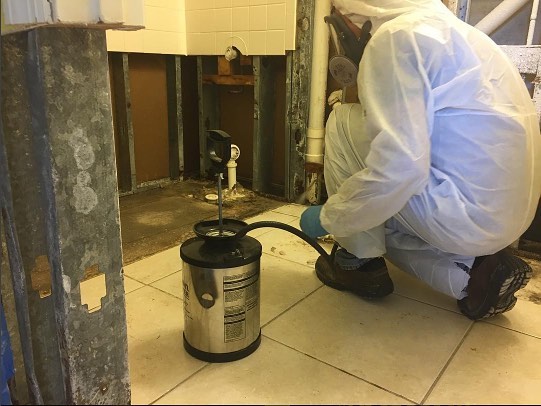
Sanitization is a deep cleaning that removes the visible dust plus the microscopic life that standard filters miss. Technicians spray a food‑grade sanitizer that kills bacteria and mold spores, then run a HEPA vacuum through every duct. The result is cleaner air, fewer allergens, and a system that runs more efficiently because the fan and motor aren’t fighting against clogged passages.
How often should I schedule it?
Here’s a simple rule of thumb for Miami‑Dade residents:
- Low‑usage homes (single family, 1–2 occupants, no pets): sanitize once a year.
- Average‑usage homes (3–4 occupants, pets, or indoor plants): schedule every six months.
- High‑usage or high‑humidity homes (multi‑family, frequent guests, or after a storm): bring in a pro every three months.
These intervals also match the manufacturer’s recommendation for most residential HVAC units. If you have a history of mold or allergies, start at the shorter interval and see how the air feels.
What signs tell me it’s time for a sanitization?
Watch for these clues:
- A persistent musty or damp smell even after the fan is on.
- Dust that gathers faster than usual on surfaces.
- Higher humidity readings when the system is running.
- Seasonal spikes in allergy symptoms.
- Visible mold on the ductwork or on the furnace’s heat exchanger.
When any of these show up, it’s a good indicator that the ducts need a deeper clean.
How long does a sanitization take?
Most units finish within 90 minutes to two hours, depending on the size of the system. The technician will:
- Close off the return and supply vents.
- Apply the sanitizer to the duct walls.
- Run the HEPA vacuum for 10–15 minutes per section.
- Check for proper airflow afterward.
That’s the full cycle. Afterward, you’ll notice a cleaner scent and clearer air.
Can I do it myself?
DIY cleaning can remove visible dust, but it can’t kill the microbes that live deep in the ducts. A professional sanitization uses specialized equipment and a food‑grade sanitizer that’s safe for the system and the occupants. If you want to keep the ducts clean, the best approach is to schedule a professional job on the interval above.
What happens if I skip sanitization?
Skipping the clean can lead to a cycle of problems:
- Higher energy bills because the fan works harder.
- Rapid wear on the motor and blower.
- Increased indoor allergens, leading to more coughing, sneezing, and headaches.
- Potential mold growth that can damage the duct walls and create health risks.
In the long run, the cost of repairing a damaged system or treating allergies far exceeds the cost of a scheduled sanitization.
What kind of equipment does a technician use?
A professional will bring:
- Food‑grade sanitizer that’s EPA‑approved for indoor use.
- HEPA vacuum capable of picking up 0.3‑micron particles.
- Pressure gauges to verify airflow after cleaning.
- Dust masks and gloves to protect the technician and the home.
All of these tools are designed to leave the ducts cleaner without damaging the system.
How do I know the sanitization was done right?
After the job, the technician will:
- Give you a brief rundown of what was cleaned.
- Show you the before and after photos in the service report.
- Explain how to maintain the system between visits.
- Give you a check‑list to look for in the next few weeks.
Most of the time, you’ll notice a fresher smell and clearer airflow within days.
What if I have a special situation?
If you recently had a hurricane, a plumbing leak, or a fire, the ducts may have absorbed extra moisture or debris. In those cases, a sanitization is recommended as soon as the system is operational, even if it’s been a while since the last one.
Can I get a discount for regular sanitizations?
South Florida AC Sanitation offers a maintenance package that bundles sanitization with a yearly filter change and a system check. It’s a small investment that can save you on future repairs and improve indoor air quality.
In the video above, creator John Daniels walks through a cheap, easy, do-it-yourself way to kill allergy-causing mold in an air-conditioning system — a fitting companion to the schedule above, since mold and microbes are exactly what a sanitization targets. It is aimed at homeowners whose allergies or breathing issues flare up whenever the AC kicks on, which is the clearest sign a system is overdue for a deep clean.
When to call us
DIY is great, but some jobs need a pro. If the problem persists, you spot anything dangerous, or you'd rather have an expert handle it, call (786) 949-9255 — South Florida AC Sanitation serves Miami-Dade County (Mon-Sat 8AM-8PM). No pressure, no upsells.
← Back to Blog