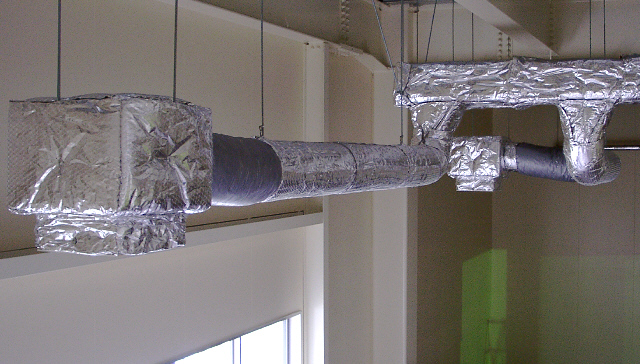
It was a humid Tuesday in Coral Gables when I walked into the Johnsons’ 2‑story home on 25th Street. The AC was humming, but a damp, musty smell drifted from the attic vent. When I leaned on the railing, the insulation along the duct looked gray and a little soft—something I’d seen before when a storm had leaked into a crawl space.
That moment made me think about how often homeowners overlook insulation moisture until it’s too late. If you notice a damp feel or strange odor, you’re probably looking at a problem that could be dampening your AC’s efficiency and even breeding mold.
To spot moisture damage in AC insulation, feel for dampness or softness, look for discoloration or water stains on the coil, and sniff for a sour or musty odor. If any of these signs are present, it’s time to investigate further or call a professional.
What does wet AC insulation look like?
Wet insulation often appears darker or grayish, especially around the evaporator coil. You might see water stains on the metal or a slight bulge in the fabric. The fabric can feel oddly soft or even spongy, compared to the firm, dry texture you’d expect. In humid Miami, mold spores can also make the insulation look fuzzy or speckled.
Why is moisture in AC insulation bad?
Moisture reduces the insulation’s R‑value, the rating that tells you how well it blocks heat. When R‑value drops, the compressor works harder, forcing your system to work harder and pushing your energy bills up. Damp insulation also becomes a breeding ground for mold, which can trigger allergies and asthma in the house. In a place with 70‑80 % relative humidity, the risk of mold growth is high.
How do I test for moisture?
There are three simple ways to check:
- Feel test. Press your fingertips against the insulation. Dry material feels firm and crisp; damp material feels soft or even slightly slick.
- Visual inspection. Look for discoloration, water stains, or bulges that indicate trapped moisture.
- Moisture meter. A handheld meter gives a quick reading in percentage. If the meter stays high or the reading keeps climbing after the system has been running, that is your signal to dig deeper.
What tools do I need?
To perform a thorough check you’ll need:
- A flashlight or headlamp to see inside tight ductwork.
- A moisture meter (digital or analog).
- A ruler or tape measure to check insulation thickness.
- Gloves and safety glasses if you suspect mold.
These items are inexpensive, and you can borrow or rent them if you don’t already own them.
One of the most common sources of moisture around your ducts is a clogged condensate drain line — water backs up and soaks whatever is nearby. Below is a quick DIY video from Tim Parker showing how to keep your condensate line flowing with plain household vinegar, so water drains away from your system instead of into the insulation.
It's a short watch and worth doing once a month during cooling season — a clear drain line is the cheapest insurance against moisture ever reaching your duct insulation.
When should I replace or clean the insulation?
If you find dampness, discoloration, or the meter keeps reading high on one section, replace that section. In humid climates, replace any insulation that shows signs of mold or a persistent damp smell. If the moisture is widespread or mold is visible, cleaning the entire duct system with an anti‑microbial treatment is recommended.
When to call us
We’re here for Miami‑Dade County residents from 8 AM to 8 PM, Monday through Saturday. If you notice:
- Water stains or a persistent damp smell in the ductwork.
- Mold growth or fuzzy spots on the insulation.
- A moisture meter that keeps reading damp on a section that should be dry.
- Any damage that you can’t safely remove or replace yourself.
Give us a call at (786) 949-9255 and we’ll send a technician to inspect and treat your AC insulation for mold prevention and efficiency.
← Back to Blog