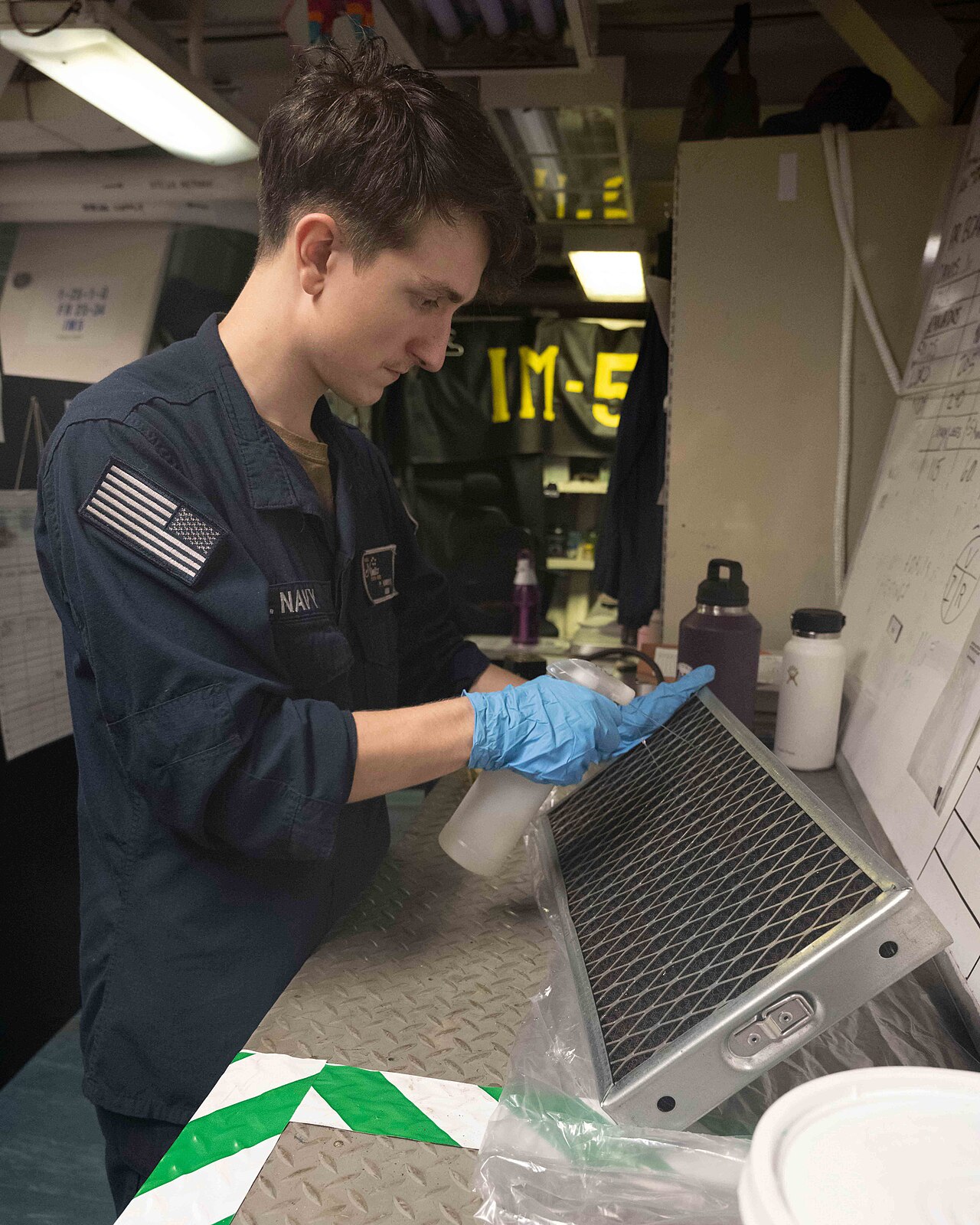
It was a humid Saturday morning in Coral Gables, and the heat was already making the air feel thick. I stopped by a neighbor’s home on 63rd Street to check on his ductless mini‑split unit. The air was sweet, but the filter was a dull gray, and the room had that faint, stale smell that only a dirty filter can bring. I told him, “We’ll give it a quick clean and run the unit for a few minutes—no sweat.”
To sanitize a ductless mini‑split filter, remove it, rinse with water, soak it in a mild detergent solution for five minutes, dry it completely, then run the unit for ten minutes to circulate fresh air. This routine removes most dust, allergens, and bacteria.
What is a ductless mini‑split filter and why does it need cleaning?
In a ductless mini‑split system, the indoor air handler has a removable filter that traps dust, pollen, and pet dander before air hits the evaporator coil. It sits inside the air handler’s cabinet, usually in a rectangular slot. When it fills up, the air can’t travel through easily, so the unit works harder and the air feels stale. In humid Miami‑Dade County, mold spores and algae can also settle on the filter, giving it a grayish tint and a musty odor.
How do I safely remove the filter from my mini‑split unit?
First, switch the unit off at the wall switch and on the unit’s keypad. Let the system cool for a few minutes to avoid hot air or steam. Most indoor units have a small lever or a set of two screws on the front face. Reach inside, hold the filter by the edges, and slide it out gently. If the filter feels stuck, it’s usually due to a build‑up of debris; give it a quick tap or a small squeeze to loosen it.
What cleaning solution works best for sanitizing the filter?
Use a mild detergent like dish soap diluted 1:10 with warm water. For extra germ‑kill, add a few drops of 70% isopropyl alcohol—this is a common household product that works as a common household disinfectant for surfaces. Mix the soap, water, and alcohol in a bucket, then submerge the filter. Stir gently for a few seconds to loosen particles. Avoid harsh chemicals or bleach, as they can damage the filter’s porous material.
How long should I let the filter soak, and what does the rinse look like?
After submerging, let the filter sit in the solution for exactly five minutes. During this time, the detergent breaks down trapped dust, and the alcohol dissolves any remaining microbes. After five minutes, lift the filter and rinse it under running water until the water runs clear. You’ll notice the gray dust loosen and float away. The filter should feel wet but not dripping.
What’s the proper drying process before reinstalling the filter?
Place the filter on a clean towel or a drying rack with the porous side facing up. Let it air dry for at least thirty minutes. In the humid climate of Miami, a wet filter can become a breeding ground for mold, so moisture must be removed completely. If you’re short on time, you can use a low‑heat hair dryer on the lowest setting for a minute or two—just be careful not to overheat and warp the filter.
Should I run the unit after sanitizing the filter, and for how long?
Yes. Once the filter is dry, reinstall it firmly in the air handler. Turn the unit back on and let it run at normal fan speed for ten minutes. This “air flush” pushes any remaining dust or aerosols out of the system and into the room, ensuring that the fresh air you’ll breathe is clean.
How often should I sanitize the filter to keep my indoor air clean?
In a typical home, check the filter every two weeks. In high‑humidity months, or if you have pets, do it once a week. If the filter looks heavily stained or the unit’s airflow feels low, clean it immediately. A routine schedule keeps the system running efficiently and the air healthy.
The embedded video is a DIY walkthrough of cleaning an outdoor air conditioner condenser — a different part of the system, but the same rinse-and-dry discipline applies. It shows the careful rinsing technique and why a component must dry completely before going back in service. Watching it once gives you a feel for how gently these parts need to be handled.
When to call us
If you notice sparks, a burning smell, or the unit shuts down after you try to clean it, stop and call a professional. If the filter is visibly damaged or the unit’s airflow drops significantly, we can perform a full filter replacement and a deeper sanitization. Contact South Florida AC Sanitation at (786) 949-9255 for service in Miami‑Dade County. Our team is open Monday through Saturday, 8 AM to 8 PM. ← Back to Blog