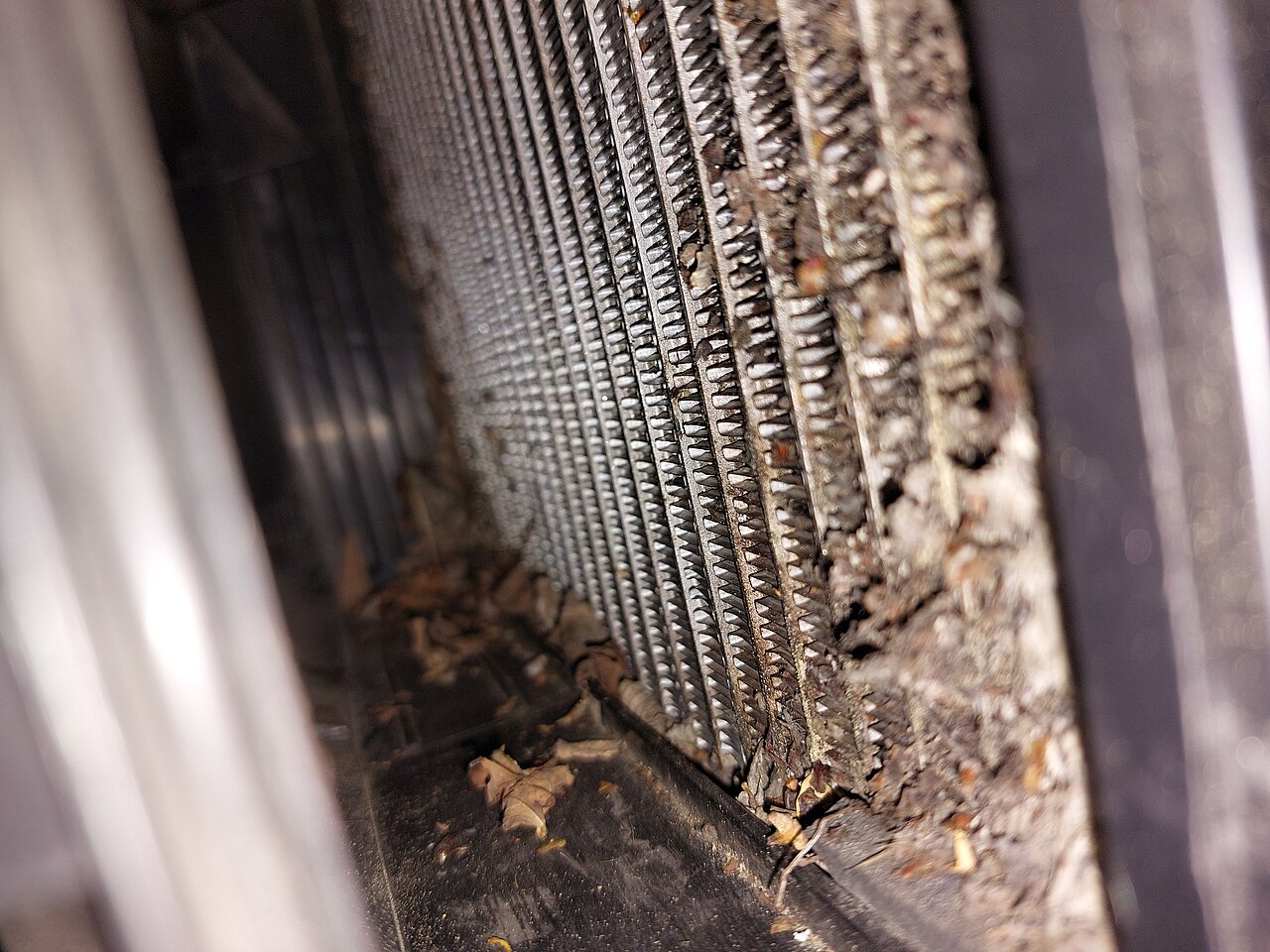
On a humid Saturday afternoon in the heart of Coral Gables, the air feels like a thick blanket. The humidity climbs past 70% and the AC in the front bedroom starts to hiss. A faint musty smell rises from the vents, and the little kids keep asking if it’s safe to breathe the air. In this slice of South Florida, keeping the coils dry is not just a comfort issue—it’s a health issue.
Why do HVAC coils get moldy in Miami?
Coils are made of metal that runs water or refrigerant through tiny fins. When the surrounding air is very humid, the water inside the coils evaporates slowly. If the metal stays cool—below the dew point of the air—tiny droplets form on the surface. In Miami’s hot, humid climate, that dew point can be as high as 70 °F. When the droplets sit there for a week or more, mold spores find the perfect place to grow. The result is a green film that can air out into your living space, turning your HVAC into a source of indoor mold.
What signs should I look for that mold is starting to grow?
Notice a greenish or grayish film on the coils, a musty odor that lingers even after you turn the unit off, or a sudden drop in cooling efficiency. If the filter feels damp or the air feels damp, the coils are probably too moist. A quick visual check: open the front cover, shine a flashlight on the fins, and look for any discoloration or a “water stain” that looks wet even after the unit has been running for a while.
How can I test the humidity level around my AC unit?
Use a digital hygrometer—one that displays both temperature and percent humidity. Place it near the evaporator coil (inside the air handler) and read the gauge. If the reading is above 70 % during the day, the coils are likely getting enough moisture to support mold. Keep the hygrometer in the same spot each time you check so you can track trends. If you see a steady rise, it’s time to take action.
What steps can I take to keep the coil surface dry?
- Adjust the thermostat. Set the indoor temperature to 74 °F during hot days. The colder the air leaves the coil, the less it will hold moisture.
- Use a dehumidifier. Place a portable dehumidifier in the same room as the AC unit for 6–8 hours during peak humidity. Aim for a relative humidity of 50 % or lower.
- Improve airflow. Keep the vents open and free of obstructions. A blocked vent can raise the local humidity near the coil.
- Insulate the refrigerant lines. Wrap the copper tubes with foam insulation rated for HVAC use. This keeps the lines warmer, pushing the dew point up.
- Check the condensate drain. A clogged drain keeps water from draining away, creating a damp spot that mold can use.
How often should I clean and treat my coils to stop mold?
Professional HVAC deep cleaning should happen every 12–18 months. Between cleanings, a homeowner can wipe the fins with a soft brush and a mild cleaning solution (such as a 1:1 mix of water and vinegar). After cleaning, spray a biocide formulated for HVAC coils—one that is safe for metal and approved for indoor use. Apply the biocide every 3–6 months during the humid season. This schedule keeps mold spores from building a thick film.
What products are safe and effective for mold prevention on coils?
Look for a product labeled “HVAC coil cleaner” or “biocidal treatment for metal coils.” Avoid household bleach or harsh chemicals that can corrode the metal. Read the label for the recommended dilution and contact time, and rinse as directed.
Here’s how to clean and treat the coils yourself
Before you start, turn off the power at the breaker. Remove the front cover to expose the coils. Use a coil brush to loosen dirt, then spray the coils with a non‑ionic cleaner. Let it sit for 5 minutes, rinse with a spray bottle of clean water, and wipe dry with a microfiber cloth. After the coil dries, apply the biocide following the product’s recommended dosage. Let it sit for the specified time, then rinse lightly and reassemble. This routine keeps the metal dry and free of mold spores.
Here’s a short DIY guide on improving airflow in hot and cold rooms by installing air vents — better airflow around your AC unit helps keep the coils drier and less mold-friendly.
The video walks through a low-cost way to fix uneven airflow by adding vents where rooms run hot or cold. When air moves freely through your home, humidity doesn’t pool around the coil the way it does in a stuffy, still room.
When to call us
DIY is great, but some jobs need a pro. If the problem persists, you spot anything dangerous, or you'd rather have an expert handle it, call (786) 949-9255 — South Florida AC Sanitation serves Miami-Dade County (Mon-Sat 8AM-8PM). No pressure, no upsells.
← Back to Blog