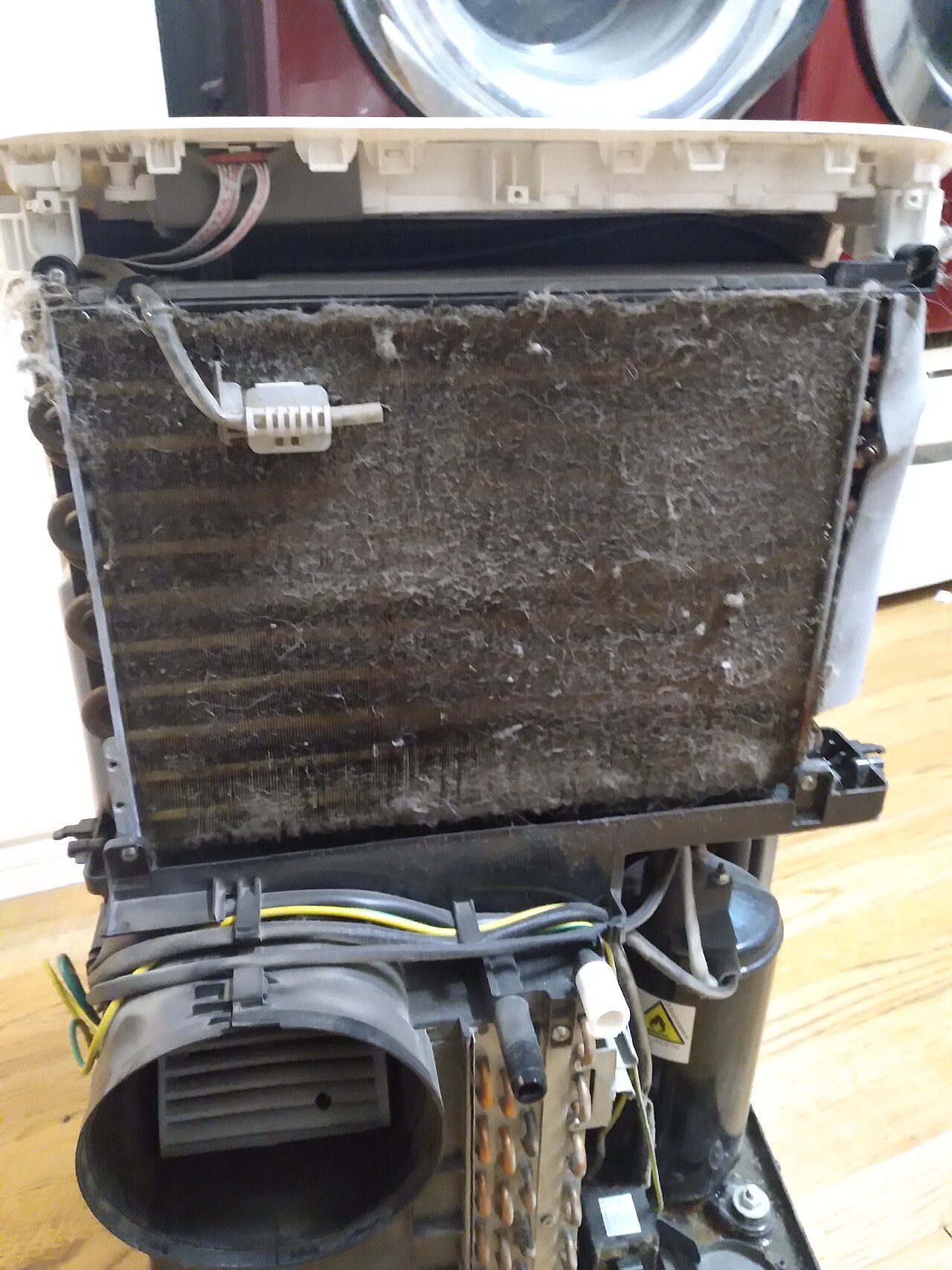
The sun was beating hard over Coral Gables on a humid Tuesday. I was standing in a small living room, the air handler cabinet tucked behind the wall, when I noticed a faint, stale odor drifting through the vents. That smell felt like old fishing nets left in the sun—musty, damp, and hard to ignore. In Miami‑Dade, where summer air sits heavy and wet for months, that scent is often the first hint that mold is starting to take hold in the air handler cabinet.
What does a mold‑infested air handler cabinet look like?
The cabinet is a metal box that houses the blower, filter, and evaporator coil. When mold is growing inside, you’ll often see a dark, fuzzy patch or a slimy film on the cabinet walls. The metal may look dull or develop a brownish tint. If you notice water stains or a damp feel, mold is likely forming in the damp spots.
Why does mold grow in the cabinet?
Mold needs three things: moisture, a food source, and a warm place. In Miami‑Dade, the air handler cabinet is a perfect spot because:
- Condensation from cooling cycles keeps the inside damp.
- Dust and debris trapped in the filter serve as food.
- The cabinet’s metal walls stay warm during winter and cool during summer, giving mold a year‑round temperature.
When the humidity is high and the system runs long hours, those conditions create a breeding ground.
How can I tell if mold is spreading?
Look for these early signs:
- Odor: A persistent musty smell that lingers even after the unit is off.
- Visible growth: Small green or black spots that spread quickly across the cabinet.
- Condensation or water stains: Damp patches on the coil or cabinet walls.
- Air quality: Noticeable allergies or wheezing when the HVAC is in use.
If you see two or more of these, mold is likely moving beyond a surface problem.
What can I do to stop mold before it hurts my health?
First, keep the cabinet dry. Turn off the unit for a few hours after a big storm or when humidity spikes above 75 %. Clean the filter every month; a clogged filter traps more moisture. Use a dehumidifier in the home if indoor humidity stays high. Finally, schedule a professional deep cleaning every 12 months to prevent mold from taking hold again.
What about the drain pan under the coil?
Check the pan, too. The evaporator coil sweats all day in cooling season — the water it pulls out of your air drips into a shallow pan and leaves through a drain line. On a humid Miami day a hard-running system can send several gallons down that line. If the line clogs with slime, the pan fills, and standing water sits inches from the coil and the cabinet walls. That puddle is the single most common reason a cabinet starts growing anything at all. Look for a waterline stain on the pan, a slimy film you can feel with a fingertip, or a float switch — a small plastic puck or clip on the pan's edge — sitting lifted. A lifted float switch means the pan filled high enough to start shutting the system down to stop a flood.
Can I clean the cabinet myself or should I call a pro?
For small, early signs, you can wipe down the cabinet with a mixture of one part vinegar to three parts water. Wear gloves and a mask to avoid inhaling spores. If mold covers more than a few inches, if you notice water damage, or if you’re unsure, it’s safest to let a trained HVAC sanitation team handle it. A sanitation crew does an HVAC deep cleaning and a preventative anti-microbial treatment on the cleaned surfaces, and clears the drain line so the water that feeds growth stops standing in the pan.
The coil inside that cabinet is where most of the wet dust collects, so watch how a careful coil cleaning is done before you open yours up.
What the video shows
In this video, The DIY HVAC Guy cleans an air conditioner's coils the right way to get ice-cold air back — working the coil clean instead of blasting it, so the thin fins survive the job. Watch how much dark buildup comes off a coil that looked fine from outside. That wet, caked layer is exactly the food-and-moisture mix this guide has been warning about: inside your air handler cabinet, a coil carrying that layer is where musty smells and dark spots usually start. His coil is the cooling coil; yours sits in the same damp dark box as the drain pan you just checked.
When to call us
Honest limits first: we are a cleaning and sanitation outfit. We do not do refrigerant work, duct replacement, or system installs, and we will tell you straight if your problem is one of those. For cabinet growth, fouled coils, and clogged drains, call (786) 949-9255 — South Florida AC Sanitation serves Miami-Dade County (Mon-Sat 8AM-8PM). No pressure, no upsells.
← Back to Blog