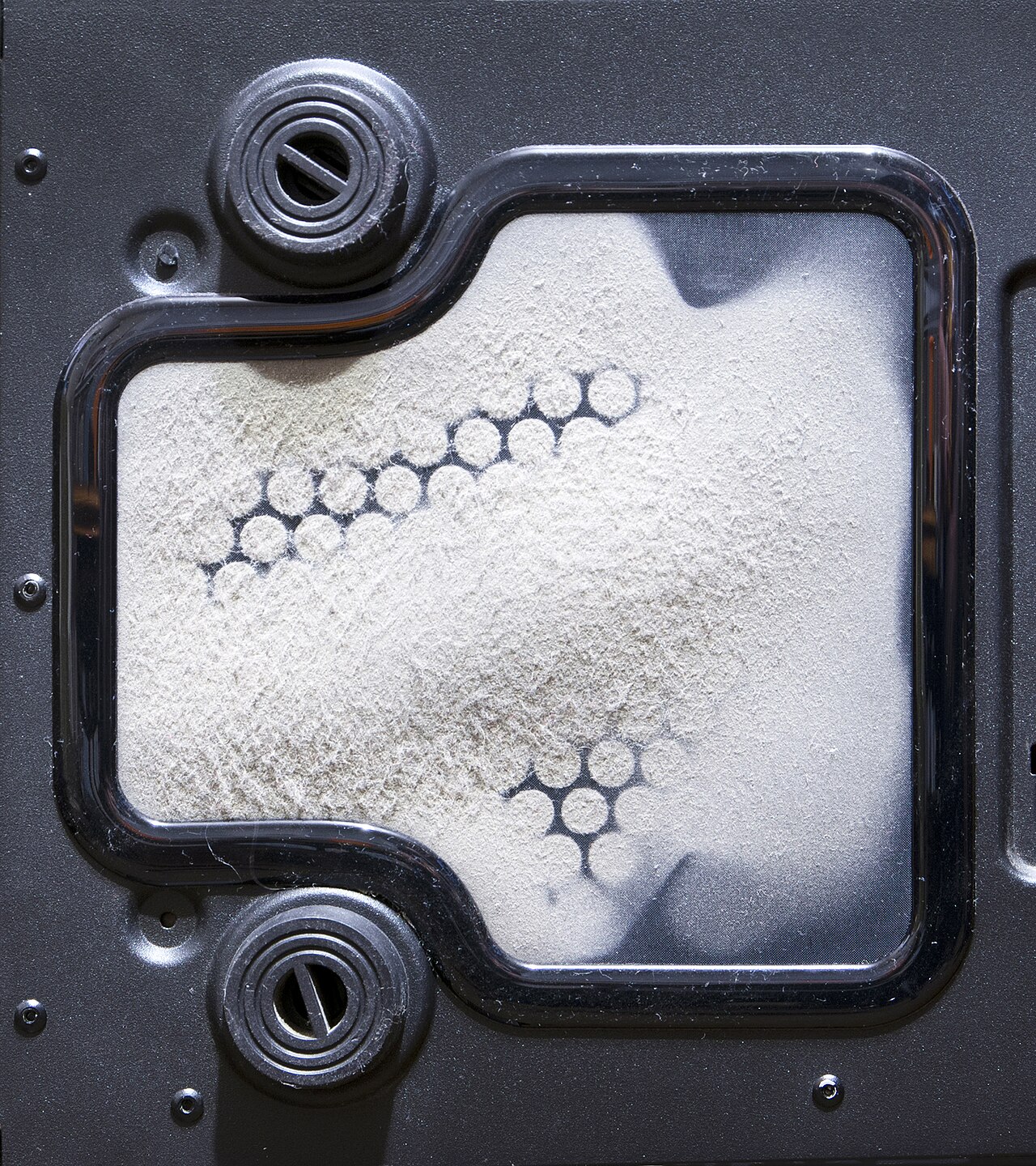
Picture this: a Tuesday in mid-August, 3:40 in the afternoon, 94° on the porch thermometer, and the air coming out of your vents feels like it gave up. You hold your hand under a vent and the air is barely cool — damp, even. The thermostat still says 79° after running since breakfast. The fix is often something you can check yourself in ten minutes.
The short answer: When your AC is not cold in a Miami summer, check these seven things in order: the air filter (hold it to a light — no light through it means it is done), the thermostat setting, the breaker, the condensate drain line, dirty coils, low refrigerant, and microbial buildup on the coils choking airflow. A filter that is 90 days old in Miami has trapped roughly three months of pollen, dust, and humidity-season debris — it is the cause about half the time.
Is your air filter the reason the AC is not cold?
Start here — this is the answer more often than anything else. In Miami your system runs most of the year, often 10+ hours a day in summer, so a filter that lasts three months in a mild climate loads up in one month here. A clogged filter is like breathing through a folded towel: the system cannot move enough air, the air it moves never gets properly cooled, and the coil can ice over.
The test takes ten seconds. Pull the filter and hold it to a light. If you cannot see light through the media, it is done — replace it. Do not vacuum a disposable filter; vacuuming tears the media and lets dust straight through to the coil. If cold air returns after a fresh filter, you just saved yourself a service call.
Could the thermostat setting be fooling you?
Sounds too simple to matter — that is why it is worth thirty seconds. After a power flicker (common in storm season), a thermostat can reset, switch to heat, or sit in "fan on" instead of "auto." Fan-on blows air constantly without cooling it, so vents feel warm between cycles. Confirm cool, auto, and a few degrees below room temperature. Blank display? Check the thermostat batteries or a tripped breaker.
Did the breaker trip?
Go to your electrical panel and find the breaker labeled for the AC. A breaker that sits in the middle position — neither fully on nor off — has tripped. Push it fully off, then firmly on. A trip after a lightning-heavy storm is normal; the surge protector in the disconnect did its job. But if the breaker trips again within a day, stop resetting it. A repeat trip means the system is drawing too much current — usually the compressor struggling — and that needs professional eyes.
Is your condensate drain line clogged?
Your AC pulls gallons of water out of Miami's humid air daily, all leaving through a thin drain line — usually a white PVC pipe near the indoor unit. Algae and slime love that dark, damp pipe, and when it clogs, water backs up into the drain pan. A float switch shuts the whole system off when the pan fills — which reads to you as "the AC stopped cooling." Look for water in the pan or a puddle near the indoor unit. If you see backup, that is the cause.
Are dirty coils strangling your cooling?
If the filter checks out but the air is still lukewarm, the next stop is the coils — the system's lungs. The indoor coil absorbs heat from your air; the outdoor coil dumps it outside. Dust, pollen, grass clippings, and salt-laden air cake onto the fins, and that grime acts like a blanket: heat cannot move through it.
Walk outside and look through the condenser's fins. If you cannot see daylight through them, airflow is blocked and the compressor is running longer and harder than it should. Clear loose leaves and gently hose the fins from the outside — never force water into the electrical compartment, and never use a pressure washer, which folds the delicate fins flat.
This video walks through the exact checks above — what to look at and what each failure looks like:
What the video covers: The homeowner-level checks for an AC that is not cooling. It demonstrates the filter light test — holding a used filter up to a light next to a clean one — and shows what a fully loaded Miami-summer filter looks like. It covers the thermostat settings to verify after a power flicker, how to spot a tripped breaker, and how to find the condensate drain line and recognize a backup. It also shows a fouled condenser coil up close and the safe way to rinse fins without bending them or soaking the electrical compartment. Work through the checks in order before assuming the system is broken — the fix is usually upstream of the expensive parts.
Could the refrigerant be low?
Refrigerant carries heat out of your home — it does not get "used up" like gas in a car. If the level is low, there is a leak. The signs: ice on the copper lines at the indoor unit, a hissing sound, or cooling that fades over weeks. Checking and charging refrigerant is not a DIY job — it takes gauges, the right refrigerant type, and a licensed tech.
Is microbial buildup choking your airflow?
Here is the one most people never check. In Miami's humidity, damp coil and duct surfaces grow a thin layer of microbial growth you cannot see from the vent — but it narrows airflow and insulates the coil. The tell: a musty smell when the blower first kicks on that fades after a minute. A filter change will not fix it; the growth is downstream of the filter. The fix is a professional HVAC deep cleaning with a preventative anti-microbial treatment on the coils and duct surfaces — it cleans where you cannot reach and treats the surfaces to slow regrowth.
When to call us
If you have worked through the checks above and the air is still not cold — or you hit any step you are not comfortable with, like a repeat-tripping breaker or a suspected refrigerant leak — call South Florida AC Sanitation at (786) 949-9255. We serve Miami-Dade County, and we will tell you honestly what your system needs before we quote anything. No hidden fees.
← Back to Blog