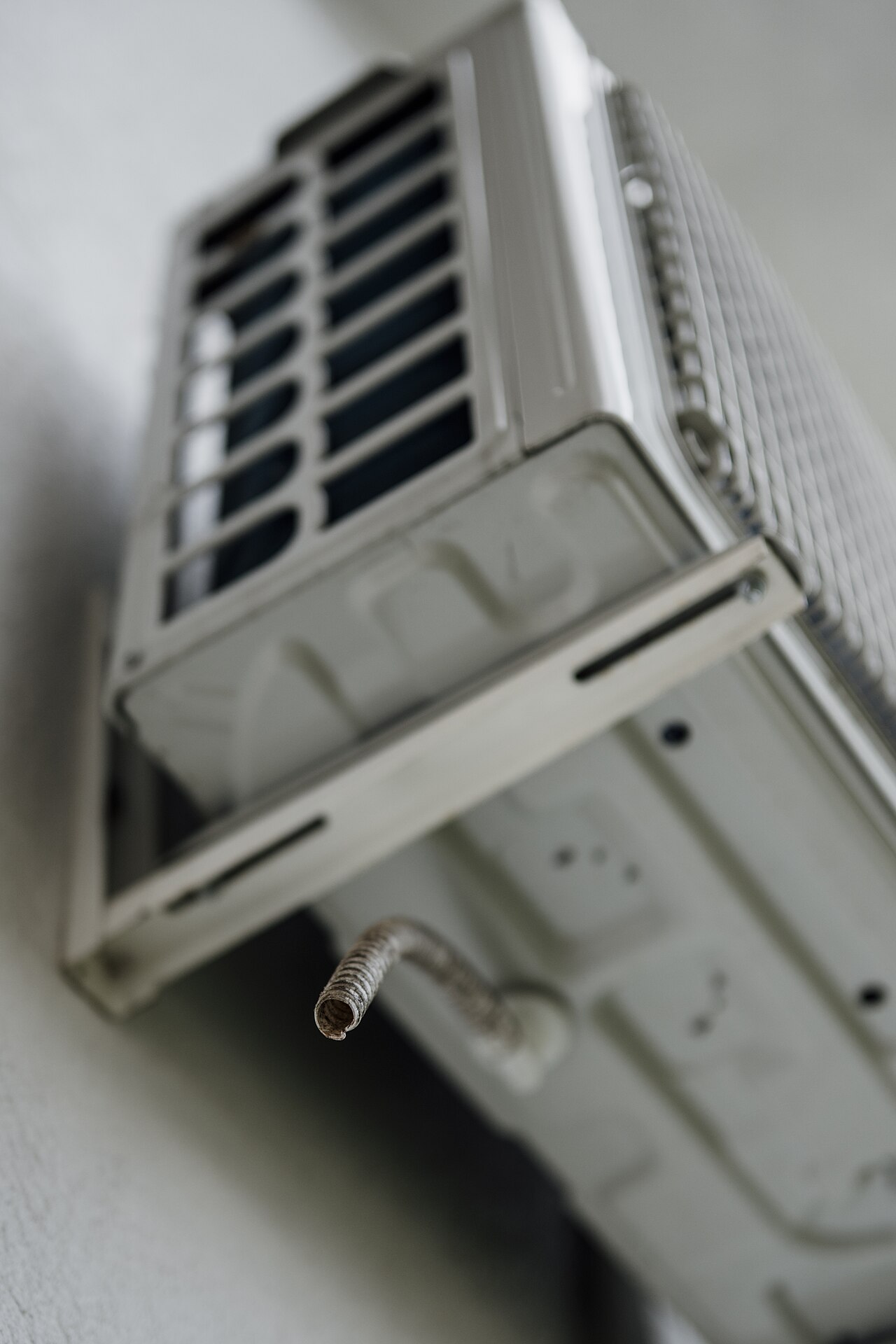
Picture this: a Tuesday at 7:30 a.m., you're in your living room, and the AC kicks on. You reach for the thermostat, but instead of cool air, you smell something musty. You know it's not just the air — it's your ductwork. That's because mold needs three things to grow: moisture, warmth, and food. In Miami's humidity, your ductwork is the perfect breeding ground.
Mold in your ductwork isn't just an annoyance; it can cause health problems for you and your family. It can trigger allergies and asthma, and it can trigger allergy and asthma symptoms, especially in kids and anyone sensitive to air quality. That's why it's important to take steps to prevent mold growth in your ductwork.
How do you know if you have mold in your ductwork?
Spotting mold in your ductwork isn't always easy, but there are some signs to look for. One of the most common signs is a musty smell when your AC kicks on. This is often the first sign that mold is growing in your ductwork. Another sign is visible mold growth on your ductwork or HVAC components. If you notice any of these signs, it's time to take action.
Another way to tell if you have mold in your ductwork is by checking your air filters. If your air filters are clogged with mold, it's a good indication that mold is growing in your ductwork. Mold can also cause your AC to work harder than it should, leading to higher energy bills. If you notice any of these signs, it's time to call in the professionals.
What actually prevents mold in ductwork?
Preventing mold in your ductwork is all about managing the three key ingredients: moisture, warmth, and food. Here are some steps you can take to prevent mold growth:
- Humidity control: Keep your home's humidity levels between 30% and 50%. Use a dehumidifier in humid months and an air conditioner in hot months to maintain these levels. This will help prevent moisture buildup in your ductwork.
- Regular filter changes: Change your air filters every 1–3 months, depending on your usage. This will help remove dust and debris that can feed mold growth.
- Professional HVAC deep cleaning: Schedule a professional HVAC deep cleaning with preventative anti-microbial treatment every 2–3 years. This cleans the coils and duct surfaces where growth starts, and treats them to slow regrowth.
- Drain line maintenance: Ensure your condensate drain line is clear and functioning properly. A clogged drain line can cause water to back up into your ductwork, creating the perfect conditions for mold growth.
By following these steps, you can significantly reduce the risk of mold growth in your ductwork. However, prevention isn't always enough. Sometimes, mold can still slip through the cracks. That's why it's important to have a plan in place for when mold does appear.
What to do if you suspect mold in your ductwork
If you suspect mold in your ductwork, the first step is to identify the source. Check your air filters, ductwork, and HVAC components for any signs of mold growth. If you find mold, it's important to act quickly to prevent it from spreading.
Once you've identified the source, you can take steps to remove the mold. You can use a mixture of water and bleach to clean the affected areas, but be sure to follow all safety precautions. If the mold is extensive, it's best to call in the professionals. They have the tools and expertise to safely and effectively remove mold from your ductwork.
After removing the mold, it's important to take steps to prevent it from coming back. This includes regular maintenance, such as changing your air filters and scheduling professional HVAC deep cleanings. It also includes addressing any underlying issues, such as high humidity levels or a clogged drain line.
This video shows you how to spot mold in your ductwork and what to do if you find it. It also explains the importance of regular maintenance and professional HVAC deep cleanings in preventing mold growth. Watch it to learn more about mold prevention and how to keep your home healthy.
When to call us
If you're unsure about mold in your ductwork or need professional help with HVAC deep cleaning and preventative anti-microbial treatment, call (786) 949-9255. We serve Miami-Dade County and are here to help you keep your home healthy and your AC running smoothly.
← Back to Blog